
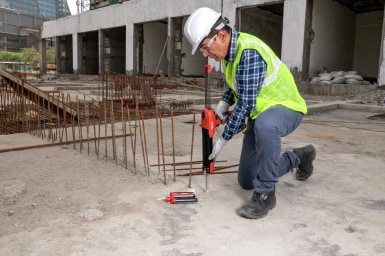
The benefit of using qualified chemical anchors in new and existing projects
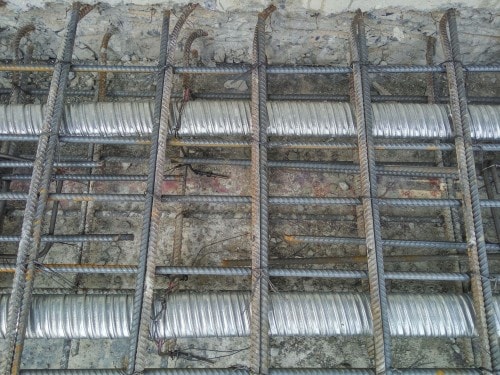
All structural engineers, while studying concrete structure design, become entirely familiar with cast-in rebar solutions as a well-established system for connecting two concrete elements together. How to calculate a splicing or anchoring length is not a secret, and apparently is not a challenging task.
Why should I opt for something else then?
Despite cast-in rebar being by and large the cheapest and most flexible solution, there are several reasons why alternative technologies such as cast-in boxes, couplers (aka mechanical splice systems) and cast-in reinforcement boxes (aka starter rebars packed in a galvanized steel unit, bended out after removing the box lid and stripping the formworks), grout and, of course, injection mortars are also used. In this article, we take a look at daily situations where injection mortars are undoubtedly the preferred choice, and we offer some advice.
Dealing with the unplanned
Mistakes happen on the jobsite. Some cast-in rebars may have been wrongly positioned or not been placed at all, or the reinforcement mesh might have moved while casting the concrete. Or perhaps you just need to move a pillar 100 mm to the side and change the reinforcement layout because the project changed during execution.
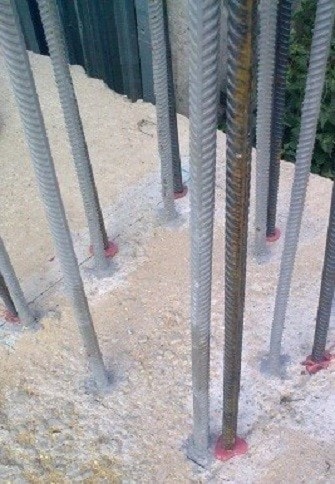
Projects that change during execution require flexibility: adding a new starter bar to a concrete column
All of these day-to-day cases require a rework, and injection mortars can indeed cover most of the needs better than any other post-installed solution such as grout, which is easier and faster to install.
A safer and ‘cosy’ jobsite
All those starter rebars sticking out from the concrete members represent a real risk for workers, making the working environment less comfortable and restricting site access. Despite alternative solutions being more expensive than cast-in rebar, it makes sense to consider them in many applications.
For instance, cast-in box and cast-in couplers are valuable engineered solutions designed to overcome these pain points. But again, mistakes do happen and what was described above for cast-in rebar applies to other cast-in solutions as well. Moreover, the biggest advantage of adhesive injection mortars compared with the above cast-in systems comes from the high level of flexibility in terms of sizes and layout covered.
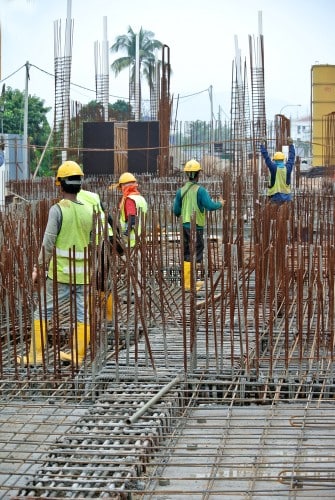
Starter rebars represent a risk and limit the comfort of the site
Simplify formwork design and execution
- No formworks to be drilled.
- No rebars to be tied to the reinforcement mesh.
- No cast-in box or couplers to be nailed to the formworks.
- No sub-horizontal drilling or manual mixing to be done or long “dip and stick procedure” required when using grouts.
Post-installing a rebar with injection mortars can be extremely comfortable and reliable by using professional cleaning (i.e. automatic cleaning) and injection systems (battery dispensers, extension with plastic tubes and piston plugs, watch a video here).
As per any other post-installed system, the key pain point is in the drilling phase: hitting the existing reinforcement reduces the installation speed and drill bit lifetime. So, before proceeding with the installation, you can use detection systems to check the position of the existing reinforcement.
Compliance at its best
To not be overlooked: International and domestic codes established the use of injection mortar for post-installed rebar in the construction industry, more so than for other alternative solutions. Injection mortars can be qualified for multiple conditions (i.e. static, seismic and fire) and design rules are defined in international standards (i.e. ACI 318, EAD 330087). Ensuring full compliance with the regulation requirements is crucial for the selection of qualified products for the application conditions and, of course, for performing a proper calculation.
These are some of the good reasons why you should consider injection mortars for your project.
Start designing your post-installed rebar connection with PROFIS Engineering!!
For more information, please leave a comment on this article or visit to our Engineering Centre
For further enquiry or clarifications, please feel free to reach out to us at my.engineering@hilti.com
Additional technical resources:
On-demand : Concrete-to-Concrete Connections
Article : Download your Concrete-to-Concrete Connections Handbook here
Article : Epoxy Grouts vs. Injection Mortars? We Talk About Code Compliance